Regulatory Shifts Reshaping Mobile Payment Methods and Responsible Gambling Features in Casino Apps
Henrik Meier · Aug 26, 2026
Regulatory Shifts Reshaping Mobile Payment Methods and Responsible Gambling Features in Casino Apps
Regulatory frameworks in multiple jurisdictions have tightened requirements around mobile payment processing in casino applications since early 2025, with several measures taking effect during August 2026 that mandate enhanced verification for digital transactions and direct integration of spending controls. These adjustments address both financial transparency and player protection, requiring app developers to update their systems accordingly while maintaining compliance across different regions.
Updates to Mobile Payment Standards
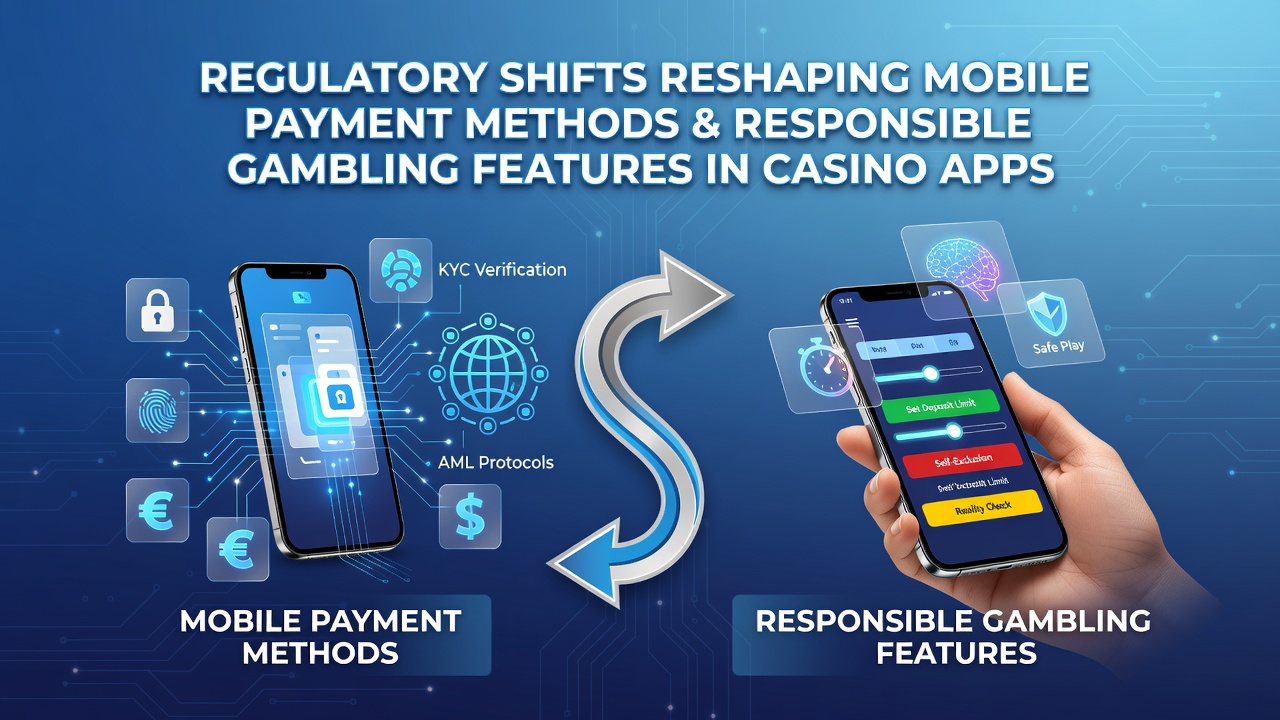
Authorities in the United States and Australia introduced rules that compel casino apps to route all deposits and withdrawals through licensed payment processors equipped with real-time identity checks, and data from the National Center for Responsible Gaming indicates transaction volumes processed under these protocols rose by 18 percent in the first half of 2026. Operators must now embed geolocation verification alongside payment authorization, which reduces unauthorized access and aligns with broader anti-money laundering directives issued by state gaming boards in Nevada and New Jersey. Meanwhile the Australian Communications and Media Authority expanded its oversight to include in-app purchases, requiring providers to display clear fee breakdowns and transaction histories within the interface itself.
Responsible Gambling Tools Become Mandatory
Casino applications operating in regulated markets now incorporate automated features such as session timers, deposit caps, and self-exclusion toggles that activate without user prompts after predefined thresholds, and studies from the University of Nevada Reno show these built-in mechanisms correlate with a 12 percent reduction in prolonged play sessions among monitored accounts. Developers integrate these elements directly into the payment flow so that users encounter limit-setting screens before completing transactions, while notifications alert players when they approach their chosen boundaries. European regulators outside the United Kingdom have followed similar paths by requiring apps to log all responsible gambling interactions and share anonymized summaries with oversight bodies for compliance audits.
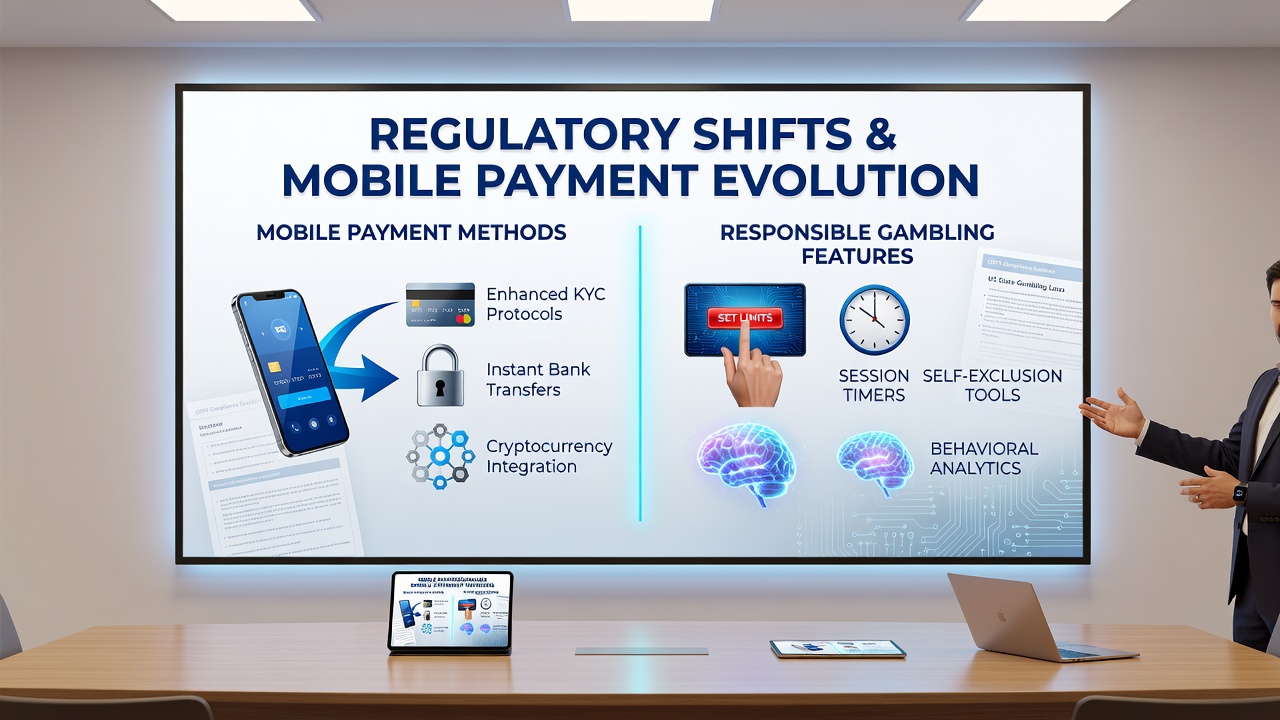
One implementation example involves apps that link payment methods to personal gambling accounts where spending data feeds into algorithms that flag unusual patterns, prompting the system to suggest cooling-off periods or temporary blocks. Observers note that these features must function consistently across iOS and Android platforms, which has prompted updates to backend infrastructure for several major operators.
Cross-Border Compliance Challenges
Apps available in multiple countries face the task of adapting payment and protection layers to satisfy the strictest applicable rules, and reports from the Canadian Gaming Association highlight how operators have deployed modular code structures that activate region-specific settings based on user location at login. This approach allows a single codebase to handle variations such as mandatory reality checks in some provinces or transaction reporting thresholds in others, yet it increases development costs and testing requirements. Data compiled through mid-2026 shows that compliance-related expenditures for mid-sized operators climbed by roughly 22 percent compared with the previous year, driven largely by the need for continuous monitoring and periodic third-party audits.
Impact on User Experience and App Design
Design teams have adjusted interfaces to present payment and responsible gambling options in unified menus rather than separate sections, which streamlines navigation while ensuring visibility of controls at key decision points. Research conducted by academic teams at Monash University found that users interact more frequently with limit-setting tools when they appear alongside payment confirmations, leading developers to embed these prompts as standard procedure. Payment providers themselves have introduced APIs that support these integrations, allowing real-time balance updates and automated alerts without additional user action beyond initial setup.
Conclusion
Regulatory changes effective through August 2026 have established clearer expectations for how casino apps handle mobile payments and embed responsible gambling safeguards, with ongoing adjustments likely as new data emerges from compliance monitoring programs. Operators continue to refine their systems to meet these standards while serving users across diverse regulatory environments, and industry reports suggest further refinements will focus on improving the accuracy of behavioral analytics tools that support player protection efforts.